
Proven B2B Strategies to Increase Qualified Leads and Drive Sustainable Business Growth
In today’s competitive market, optimizing your lead generation process is essential for sustaining business growth. But what exactly does this entail? Lead generation is all about attracting and converting potential customers into leads. To do this effectively, you need a well-structured strategy and the right tools. This article will guide you through the essential techniques and tools for optimizing your lead generation efforts, so that you to not only capture leads but also nurture them into loyal customers.
Summary
Optimizing lead generation means refining each stage of the funnel—from awareness to action—through a strong value proposition, targeted content, active social media, conversion-optimized websites, and solid SEO. Leverage technology and tools like CRMs, email platforms, landing page builders, and chatbots to automate, personalize, and track engagement. Measure success with conversion rate, cost per lead, lead quality, and ROI, and iterate based on data. The goal is to attract qualified prospects and nurture them into loyal customers for sustainable growth.
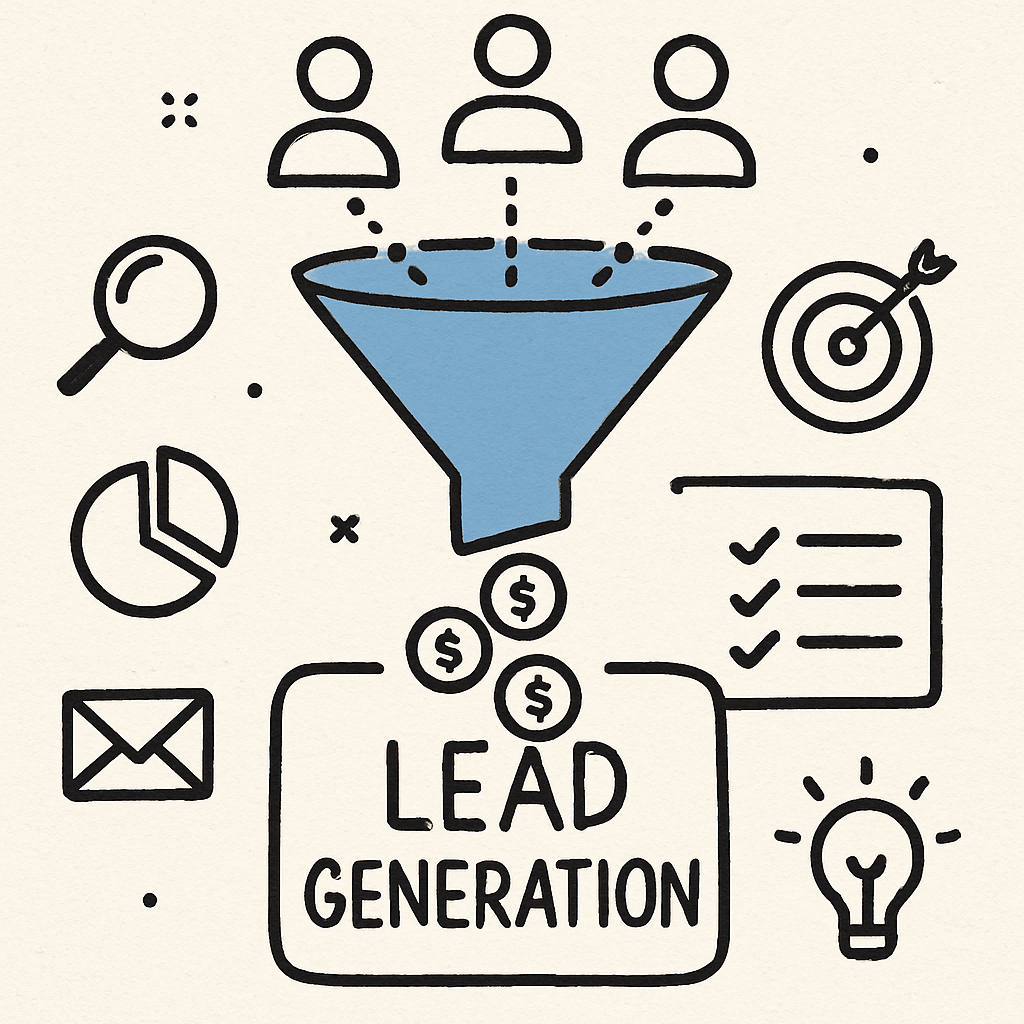
Lead generation is the process of attracting interest in your business and nurturing those prospects until they are ready to make a purchase. This involves a series of steps, from capturing contact details to qualifying leads and moving them through your sales funnel. By optimizing each step, you can increase your chances of converting leads into customers.
The Importance of Lead Generation
Lead generation is crucial because it helps businesses find and connect with potential customers who are genuinely interested in their products or services. Without a steady stream of leads, businesses may struggle to sustain growth and revenue. In a saturated market, having a refined lead generation process can be the difference between thriving and barely surviving. By consistently generating quality leads, you ensure a pipeline of potential clients who are more likely to convert, thereby increasing your sales and fostering long-term success.
The Lead Generation Funnel
The lead generation funnel involves several stages, each crucial for converting prospects into customers. It begins with awareness, where potential customers first learn about your brand. This is followed by interest, where they begin to consider your products or services. Next is the decision stage, where they evaluate whether to make a purchase. Finally, the action stage is where they become paying customers. By understanding and optimizing each stage of the funnel, you can effectively guide prospects through the buying journey.
The Role of Technology in Lead Generation
Technology plays a pivotal role in modern lead generation. From CRM systems that track interactions to AI-driven chatbots that engage with leads in real time, technology can significantly enhance your lead generation efforts. It allows for automation, personalized marketing, and data-driven decision-making, all of which contribute to more effective lead nurturing and conversion.
Techniques for Lead Generation Optimization
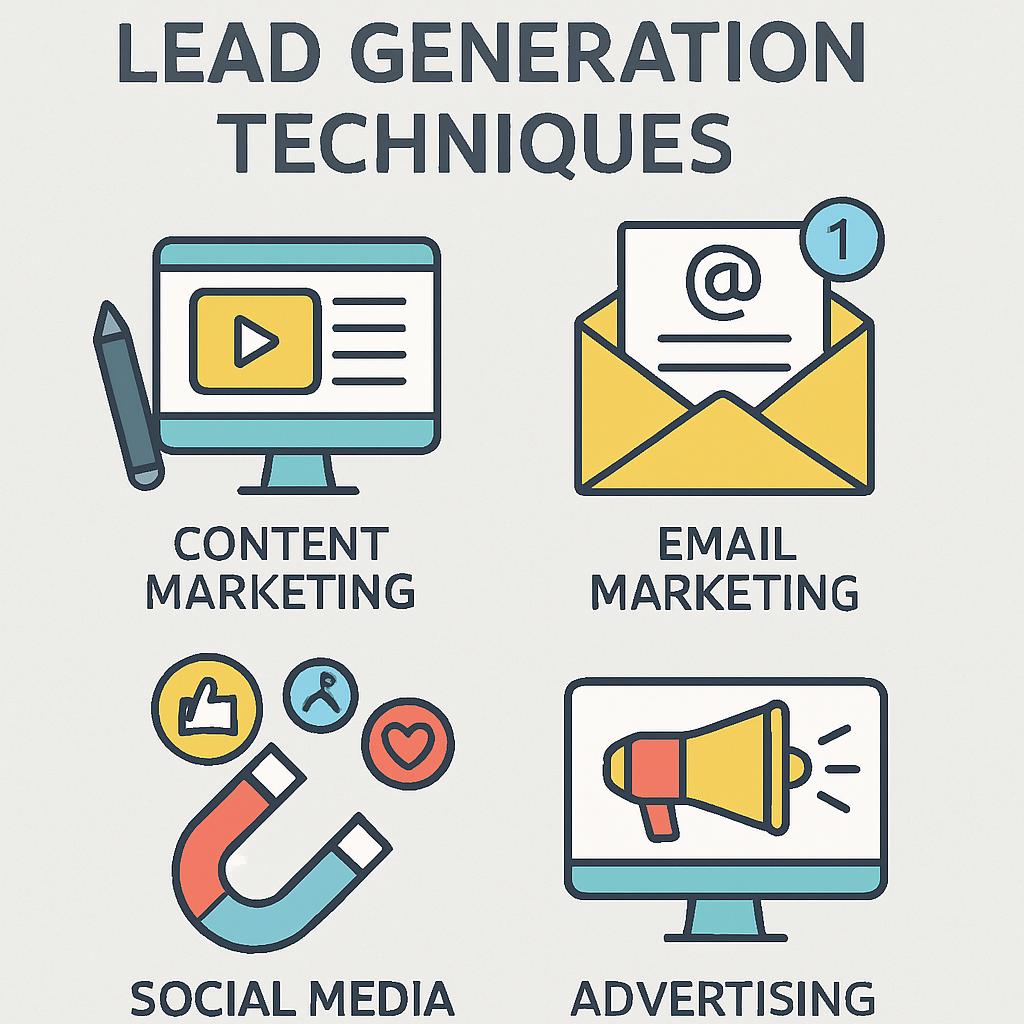
Optimizing your lead generation process involves a combination of strategies and techniques that target different stages of the buyer’s journey. Here are some effective techniques to consider:
1. Develop a Strong Value Proposition
Your value proposition is what sets you apart from the competition. It should clearly communicate the benefits of your product or service and why someone should choose you over others. Make sure your value proposition is prominently displayed on your website and in your marketing materials. To craft a compelling value proposition, focus on understanding your target audience’s pain points and how your product or service uniquely addresses them. Tailor your messaging to reflect the core values and benefits that matter most to your potential customers.
2. Use Content Marketing to Attract Leads
Content marketing is a powerful tool for attracting potential customers. By creating valuable and informative content, such as blog posts, eBooks, and webinars, you can engage your target audience and encourage them to provide their contact information in exchange for access to your content. High-quality content not only positions your brand as a thought leader but also builds trust with your audience. Consider diversifying your content formats to cater to different preferences, such as infographics for visual learners or podcasts for those who prefer auditory content.
3. Leverage Social Media Platforms
Social media platforms like Facebook, LinkedIn, and Instagram are great for reaching a wide audience. Use these platforms to share your content, engage with potential customers, and promote special offers or events. Social media can also be used to run targeted ads that reach specific demographics. By actively engaging with your audience on social media, you can build a community around your brand and foster genuine connections with potential leads. Regularly analyze your social media metrics to refine your strategies and improve your reach and engagement.
4. Optimize Your Website for Conversions
Your website is often the first point of contact for potential leads. Ensure that it is optimized for conversions by having clear calls-to-action, simple navigation, and a clean design. Make it easy for visitors to find information and provide their contact details. Consider implementing A/B testing to determine which design elements and messaging resonate best with your audience. Additionally, ensure your website is mobile-responsive, as an increasing number of users access websites via mobile devices.
5. Implement SEO Best Practices
Search engine optimization (SEO) is essential for increasing your website’s visibility in search engine results. Use relevant keywords, optimize your website’s structure, and create high-quality content to improve your SEO rankings and attract more organic traffic. Conduct regular keyword research to stay updated on the terms your target audience is searching for. Additionally, focus on building quality backlinks and improving your website’s load speed, as these factors also influence your SEO performance.
Tools for Lead Generation

by Walls.io (https://unsplash.com/@walls_io)
To optimize your lead generation process, it’s important to use the right tools. Here are some popular lead generation tools that can help streamline your efforts:
1. CRM Software
Customer Relationship Management (CRM) software helps you manage and analyze customer interactions and data throughout the customer lifecycle. It can help you track leads, automate follow-ups, and ensure that no leads fall through the cracks. A robust CRM system can provide valuable insights into customer behavior and preferences, enabling you to tailor your marketing efforts more effectively. Look for CRM solutions that offer customization options and integration capabilities with other tools you use.
2. Email Marketing Platforms
Email marketing platforms like Mailchimp or Constant Contact allow you to create and send targeted email campaigns. These platforms often come with analytics tools to measure the success of your campaigns and identify areas for improvement. By segmenting your email list, you can send personalized messages that resonate with different groups of leads. Additionally, use A/B testing to experiment with different subject lines, content formats, and send times to optimize your email performance.
3. Landing Page Builders
Landing page builders, such as Unbounce or Leadpages, enable you to create dedicated landing pages for your marketing campaigns. These pages are designed to capture leads’ information and are optimized for conversions. When designing landing pages, focus on creating compelling headlines, persuasive copy, and visually appealing layouts. Ensure that your landing pages align with the messaging and offers presented in your ads to maintain consistency and boost conversion rates.
4. Chatbots
Chatbots can engage with website visitors in real-time, answer their questions, and guide them through the sales process. They can also collect contact information, making it easier to capture leads. By providing instant support, chatbots enhance the user experience and increase the likelihood of conversion. Consider programming chatbots to offer personalized recommendations based on user interactions, further enhancing their effectiveness in nurturing leads.
Measuring and Analyzing Lead Generation Success
To optimize your lead generation process, it’s essential to measure and analyze your efforts. This will help you identify what’s working and what needs improvement. Here are some key metrics to track:
Conversion Rate
Conversion rate measures the percentage of visitors who take a desired action, such as filling out a form or signing up for a newsletter. A high conversion rate indicates that your lead generation efforts are effective. Analyze conversion rates across different channels and campaigns to identify which strategies yield the best results. Adjust your tactics based on these insights to continuously improve your conversion performance.
Cost Per Lead
Cost per lead is the total cost of your lead generation efforts divided by the number of leads generated. This metric helps you understand the efficiency of your campaigns and identify areas for cost savings. Regularly review your cost per lead to ensure your marketing budget is being used effectively. Compare costs across different channels to determine which ones provide the best return on investment.
Lead Quality
Not all leads are created equal. Some leads are more likely to convert into customers than others. Assessing lead quality involves evaluating the likelihood of a lead becoming a customer and prioritizing high-quality leads. Implement lead scoring systems to rank leads based on criteria such as engagement level, demographics, and past interactions. Focus your sales efforts on high-scoring leads to maximize conversion opportunities.
Return on Investment (ROI)
ROI measures the profitability of your lead generation efforts by comparing the revenue generated from leads to the cost of acquiring them. A positive ROI indicates that your lead generation efforts are paying off. Regularly calculate and review your ROI to ensure your strategies are aligned with your business goals. Consider reallocating resources to higher-performing campaigns to optimize your overall lead generation efforts.
Continuous Improvement
Optimizing your lead generation process is an ongoing task. Regularly review your strategies, techniques, and tools to ensure they are still effective. Be open to experimenting with new approaches and technologies to stay ahead of the competition. Encourage feedback from your sales and marketing teams to identify areas for improvement and innovation. By fostering a culture of continuous improvement, you can adapt to changing market conditions and maintain a competitive edge.
Conclusion
Optimizing your lead generation process is essential for attracting and converting potential customers into loyal clients. By implementing effective techniques, leveraging the right tools, and continuously measuring your success, you can improve your lead generation efforts and drive business growth.
Remember, the key to successful lead generation is understanding your audience, providing value, and nurturing leads through the entire sales funnel. With dedication and the right approach, you can optimize your lead generation process and achieve your business goals. Keep refining your strategies and stay informed about industry trends to ensure ongoing success in your lead generation efforts.